
Giving voice to the unHeard
History of the Lao Assistance Center of Minnesota (LACM)
At the heart of our work is a commitment to advocacy—standing beside community members whose voices are too often overlooked, misunderstood, or silenced within mainstream systems. Many of the individuals and families we serve navigate complex institutions that were not built with their languages, histories, or lived experiences in mind. Without culturally informed guidance, their needs can go unseen, and their stories are unheard.
Our role is to change that.
We listen deeply to community voices, especially those who are unsure how to speak up, those who have been dismissed, and those who have learned to expect that systems will not hear them. Through advocacy, we help translate experiences into action—ensuring that barriers are recognized, rights are protected, and opportunities are accessible.
This work means more than helping someone complete a form or understanding a policy. It means lifting perspectives that have been ignored, challenging inequities where they occur, and ensuring that public institutions reflect the communities they serve. It means amplifying voices, not speaking for them; creating pathways for participation, not gatekeeping; and building confidence and power, not dependency.
Advocacy is how we ensure that families are not navigating systems alone. It is how we make space for those who have been pushed to the margins. And it is how we honor the resilience, wisdom, and dignity of our community—by ensuring they are seen, heard, and valued in every room where decisions are made.
History
-
The Lao Assistance Center of Minnesota (LACM) was founded in 1983 by ethnic Lao to meet the urgent resettlement needs of fellow Lao refugees who had recently arrived in Minnesota following the Vietnam War era. The organization emerged at a time of deep upheaval for the Lao community, providing a foundation of support to families navigating the challenges of a new country, language, and system. From the start, LACM’s mission was clear: to enhance the lives of all Lao Minnesotans.
In these formative years, LACM’s work centered on the most immediate and pressing needs—housing stability, English as a Second Language (ESL) classes, food access, enrollment in benefits, health referrals, and citizenship preparation. Youth services also became a cornerstone, with tutoring, homework help, and afterschool engagement ensuring the next generation had the support needed to thrive.
Cultural connection was deeply interwoven into LACM’s approach. The agency partnered with the Minnesota Department of Natural Resources (DNR) to create fishing programs, honoring a cultural tradition while easing community transition. The arts flourished as well—through storytelling, murals, music, and dance—serving as a vital way to preserve traditions, connect generations, and foster resilience in a new homeland.
-
By the 1990s, LACM’s focus expanded significantly. Youth programs evolved from tutoring to include gang violence prevention, intervention, and summer engagement opportunities. Classes in Lao language and traditional dance gave young people direct ways to connect with their heritage. Recognizing the importance of identity and belonging, LACM laid groundwork for what would become its long-term commitment to youth cultural programming.
At the same time, employment emerged as a major need. Beginning in 1990, LACM launched employment assistance programs to help community members secure entry-level jobs, improve skill sets, and pursue higher education.
Between 1999 and 2003, LACM operated its most structured, comprehensive, and high-impact workforce development initiatives, serving thousands of Lao Minnesotans seeking pathways to economic stability. These programs were strengthened through partnerships with educational institutions, workforce agencies, training providers, and local employers—partnerships that extended the reach and impact of this work and remain central to LACM’s approach today.
This era established LACM’s long-term economic mobility model, which supported families in moving:
Supporting families as they move toward meaningful and sustainable employment,
Helping individuals strengthen their foundation through stable housing, and
Empowering households to build long-term financial confidence and well-being.
To support this progression, financial literacy education became a key program component, helping families learn budgeting, credit building, asset development, and to begin thinking about long-term planning. These foundational skills, combined with culturally grounded coaching and navigation, enabled many families to reach greater economic independence. Over time, this economic mobility work directly contributed to LACM’s development of housing stability programming, now in place for more than 15 years and serving as one of the organization’s most consistent and trusted service areas.
-
In 2005, community voices began calling for expanded health services. Through conversations, forums, and informal gatherings, LACM learned that tobacco use and mental health were pressing concerns. Responding to these priorities, the organization began offering culturally specific tobacco cessation services and in-language mental health outreach. Mainstream agencies soon recognized LACM’s unique role as a trusted bridge and sought its partnership in delivering health education and outreach.
Over time, LACM expanded its health programs to address a wide range of needs: breast and cervical cancer screenings, hepatitis B awareness, immunizations, colon cancer education, mental health navigation, and healthy eating. Each service reflected LACM’s philosophy of co-creating programming with the community, ensuring relevance, trust, and accessibility.
-
In 2017, LACM launched a Lao Culture Camp, building on decades of cultural programming. This camp responded to youth interest in reconnecting with their roots and provided a space to strengthen cultural identity. Using a culturally specific approach, the camp emphasized intergenerational teachings, cultural wisdom, and shared traditions, fostering resilience and pride among Lao youth.
Today, youth programming includes identity-building, leadership development, and prevention initiatives—ranging from opioid and tobacco awareness to healthy alternatives and positive youth engagement. By weaving together cultural education with health and wellness, LACM prepares youth to navigate both the challenges and opportunities of the future.
-
Over 40 years later, LACM remains a trusted, influential, and responsive resource for Lao Minnesotans and the broader Southeast Asian community. Serving over 5,000 low-income, limited-English speaking individuals, families, and elders, LACM continues to adapt to evolving needs while holding fast to its mission and values.
From housing to health equity and cultural preservation, LACM has consistently served as a bridge—connecting community members with systems, creating safe spaces for healing and learning, and amplifying the voices of a community too often overshadowed in mainstream conversations.
Guided by a history rooted in resilience, cultural pride, and community voice, LACM remains committed to building a stronger, healthier, and more resilient Lao community for generations to come.
CAP: Cambodian American Partnership of Minnesota | History, Culture & Community
The Karen Post: The Karen Post - YouTube
Creative Healing Space: Creative Healing Space
Creative Flow
UCAM: ucam.info | ucam
Current community partners
Our Funders
Meet the Team
-
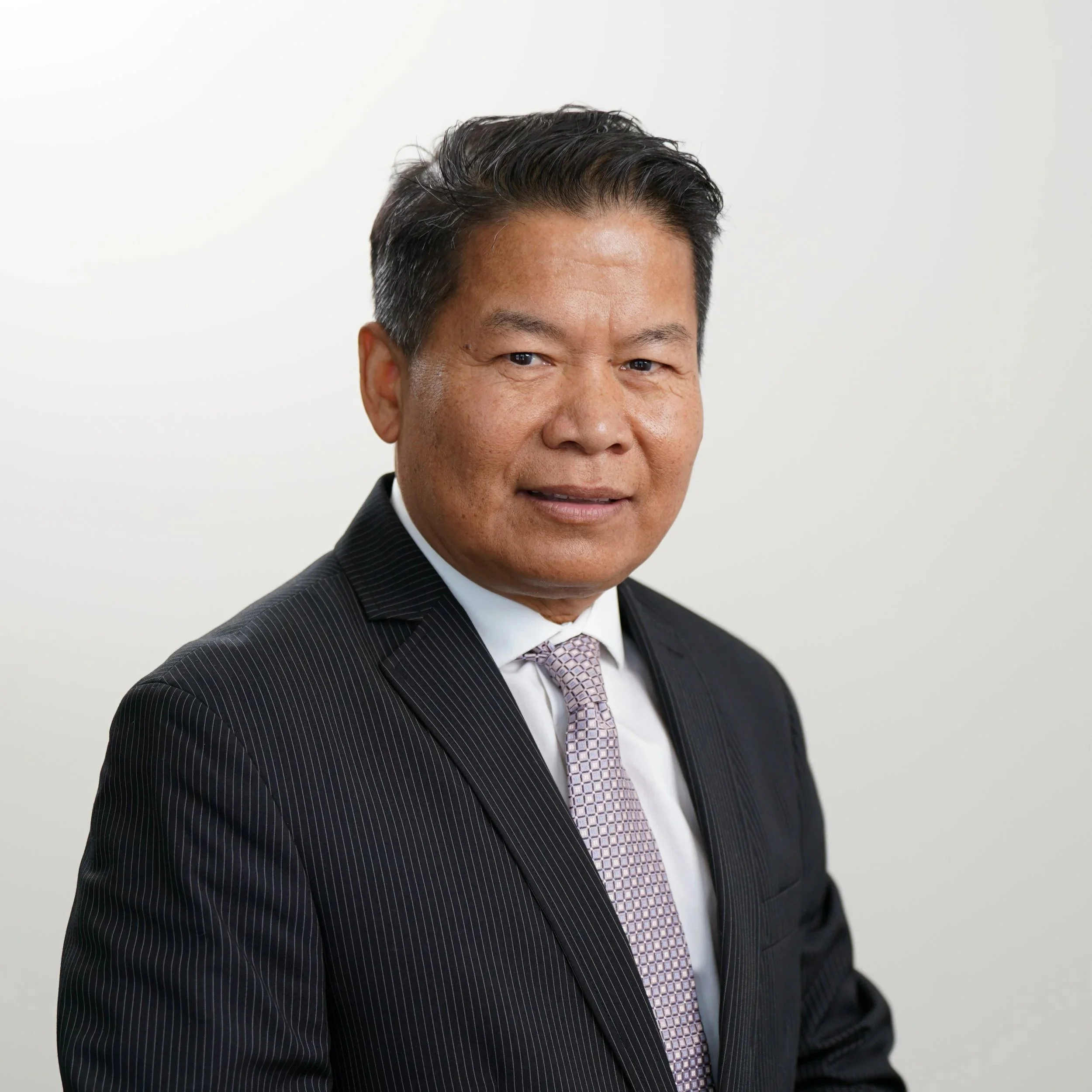
Sunny Chanthanouvong
EXECUTIVE DIRECTOR
-

Nouchee Vanglao
SYSTEM NAVIGATOR
-

Brandon Detvongsa
PROGRAM COORDINATOR
-

Brianna Raddatz
PROGRAM MANAGER
-

Meleena Kruschke
PROGRAM COORDINATOR
-
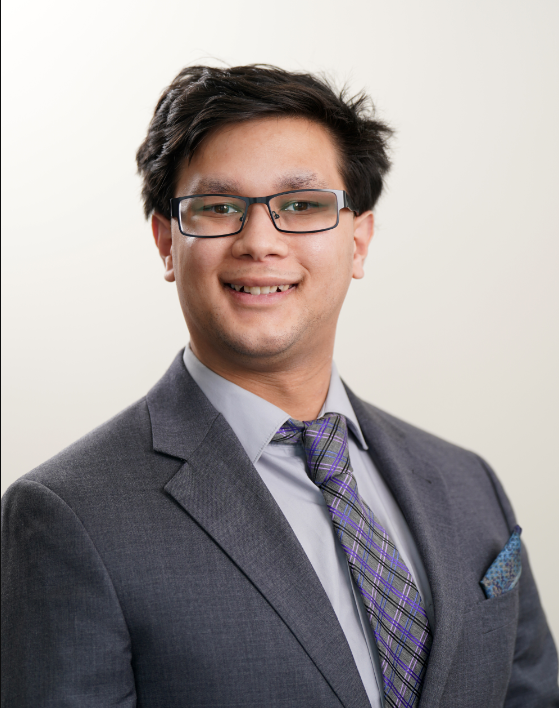
Thomas James Phetmeuangmay
PROGRAM COORDINATOR FOR TOBACCO
-

Anthony Sayachack
PROGRAM MANAGER FOR MN DEED
Board of Directors
Phouninh Vixayvong (Treasurer)
Rattanaphone Manikong (Secretary)